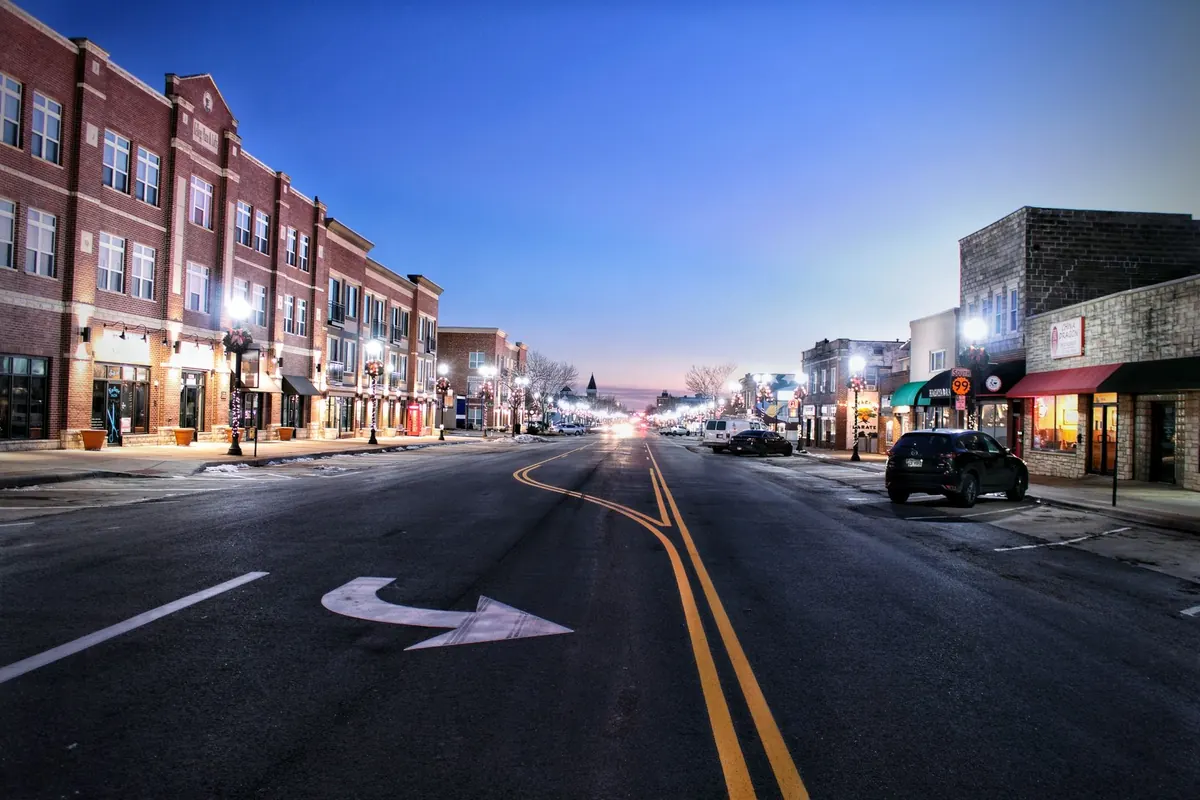
The best local branding rarely starts with a logo. It starts with the reason a customer walks past two closer alternatives to reach a particular door — the owner who remembers their name, the window that changes with the season, the one item nobody else bothers to stock. A creative studio's job with a nearby business is to notice those reasons and make them visible, on a sign, a menu, a van, a paper bag. That is a different discipline from branding a national company, and it rewards being done deliberately.
Local Branding Starts with Listening
In a neighbourhood, a reputation already exists. People have opinions before you arrive. Discovery here isn't research into a blank slate; it's collecting what is already being said and deciding which parts to amplify.
Talk to staff, regulars, and the shopkeepers next door. Sit in the corner for an afternoon. Ask what customers thank them for, what they complain about, and which question they answer twenty times a week. A florist might learn that most of her wedding work arrives through one street's worth of referrals. A hardware shop might realise people come in for advice and leave with a hinge. Those details are positioning. Write them down in the client's own words before you draft a line of copy — their phrasing will beat anything invented in a studio.
Find the Story Only This Business Can Tell
Every town has a dozen businesses in the same category. What separates them is specifics: the third generation behind the counter, the recipe that never changed, the founder who learned the trade somewhere unexpected, the decision to stay when the street emptied out.
Not every history is dramatic, and it doesn't need to be. Small true details outperform large vague claims. "We sand the floors by hand because the machine leaves marks in the grain" does more work than "quality craftsmanship" ever will. Try a simple exercise with the owner: ask them to name five decisions they would defend in an argument. Those five decisions are your brand pillars, and they'll hold up under pressure in a way that adjectives won't.
Use Local References Without Sliding into Cliché
Local references buy instant recognition — a bridge, a market, a dialect word, the shape of a terrace roofline. They also pile up fast. Add a pint glass, a cockerel and a silhouette of the parish church and you have produced something that could belong to any town in the county.
The test is simple: would this reference mean something to a resident on a Tuesday morning, or is it decoration? Pick two or three, let one carry real weight, and leave the rest out. It's also worth asking before you lean on a symbol. Some images and place names carry history that different parts of a community read very differently, and a five-minute conversation with a couple of long-standing residents can save an expensive mistake.
Build a Visual Language That Belongs to the Place
Take cues from what's already standing. The palette of neighbouring shopfronts, the colour of the brick, the paint on the owner's van, the tiles by the entrance — a scheme drawn from those feels intentional rather than imported.
Keep it small enough to survive a busy week. Two colours and a neutral. One typeface that holds up on a two-metre fascia and on a five-centimetre receipt. And design the smallest item first — the sticker, the stamp, the cake box. If the identity works at that size, the signage will look after itself.
Give Small Teams Tools They'll Actually Use
A brand exists only when someone uses it, and most local businesses have no marketing department. A shop manager with forty minutes on a Thursday is your real audience. Build for them:
- A one-page identity sheet: logo files, colour codes, two typefaces, and a handful of clear do-and-don't examples.
- Templates: social layouts, a price list, an A4 poster, a menu in two sizes, all editable with free tools.
- Specs written down: sign dimensions, vehicle decal sizes, the minimum logo width in millimetres.
- Approved copy: the business in one sentence, three shorter versions, and standard phrasing for opening hours and bookings.
- A repeatable shot list: front of house, hands at work, the product on a plain table, a team portrait in daylight.
Then sit with the person who actually posts and walk them through it once. Save everything in one shared folder with an obvious name. The follow-up visit three weeks later matters more than the launch.
Put the Brand to Work in the Community
Guidelines don't earn loyalty; behaviour does. Brand just makes the behaviour legible. Sponsor the under-twelve football kit and put the name somewhere readable from the touchline. Print window posters that double as a noticeboard for local events. Make a small run of something genuinely useful with the logo on it. Team up with another independent — a café and a bookshop sharing a tote, a barber and a bakery swapping window space.
One caution: don't dress up ordinary trading as charity work. Customers notice, and the goodwill you were counting on turns into the opposite.
Measure What Matters Locally
You need less analytics and more observation. Put the question at the till: how did you hear about us? Watch which window display makes people stop. Count the customers who arrive holding the flyer. Check whether people are searching the business name alongside the neighbourhood.
Local branding often shows up as a change in the questions people ask — fewer "what do you do?" and more "are you the ones who…?". A one-page review with the owner every quarter is plenty to keep it honest.
Where to Begin
If you're a studio taking on a local client, start on foot. Walk the street, buy something, talk to three people, and write down what you hear before you open a design file. Then propose a first phase that fits a business with rent to pay: a fascia, a van, a stamped paper bag and a one-page identity will outperform a forty-page book nobody opens.
Deliver the thing they need first — the piece they see every morning that reminds them what makes the place theirs. Do that well, and word travels down the terrace faster than any campaign you could buy.
Photo: Taylor Hunt / Pexels